
What to do in Bolivia: XXL nature, Andean cultures and adventure at a sweet price 🌏🇧🇴
Simon Muller
Posted on February 6, 2026
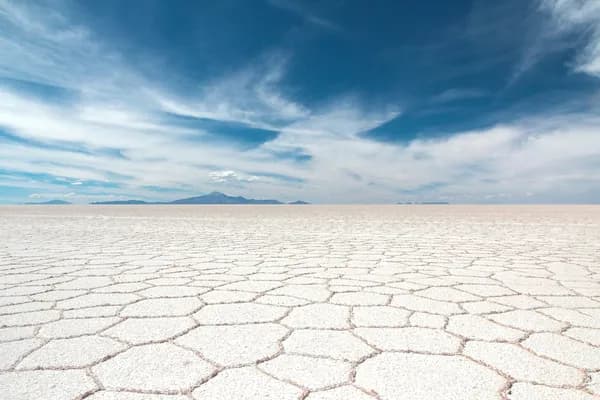
Bolivia is one of those countries that stays in your mind long after the trip. From the icy peaks of the Cordillera Real to the colorful deserts of Sud Lípez, from Andean markets to the humidity of the Amazon, everything is intense, contrasted, authentic. And good news for savvy travelers: the cost of living is low, distances are (often) covered by comfortable buses, and the reward is immense at every turn.
Before you leave, simplify your connectivity: GoMoWorld eSIM plans to stay connected in Bolivia save you from hunting for a local SIM and install in just a few minutes via the app. You keep control of your consumption, share your connection whenever you want, and travel with peace of mind.
Why travel to Bolivia ✨
Bolivia means the Altiplano stretching as far as the eye can see, a living and proud culture, colonial cities of dazzling whiteness, colorful markets, high-altitude lakes, llamas (lots of them), breathtaking treks, pink flamingos on red lagoons, and that legendary salt desert, the Salar de Uyuni. You come for adventure and authenticity, you leave with the feeling of having experienced a "real" journey.
Beyond the clichés, Bolivia is savored without hurry: you take time to acclimatize to the altitude, go with the rhythm of the cities, talk with people at the market, taste fresh fruit juice at the "licuadora", stroll on Plaza 25 de Mayo in Sucre, speed off in the early morning across the vast Salar de Uyuni... It's the perfect country to rediscover a taste for simple, raw, generous travel.
Altitude tip: climb gradually, drink plenty of water, avoid alcohol for the first 48 hours and try coca leaf infusion. If possible, start with lower stages (Sucre, Santa Cruz) before La Paz, Potosí or Uyuni.
When to go and weather 🗓️
The country is vast and weather changes according to altitude. Generally, the dry season (April to October) offers clear skies, cold nights at altitude and roads in good condition: it's ideal for treks and major 4x4 circuits in Sud Lípez. The rainy season (November to March) is warmer and more humid, especially in tropical and Amazonian areas.
The Salar de Uyuni is magnificent all year round. In the dry season, you drive on a crispy, pure salt crust. In the wet season (January-March depending on the year), water forms a perfect mirror that reflects the sky: it's the famous "sea of clouds", magical for photos.
Salar de Uyuni: for the famous "mirror effect", target the rainy season (January to March, variable depending on the year). For driving on the salt and easy access to islands (like Incahuasi), prefer the dry season (May to October).
The must-sees in Bolivia 🏛️
La Paz, the perched metropolis and cable car with crazy views
Perched at over 3,600 m altitude, La Paz spreads its neighborhoods in a dizzying basin, topped by El Alto. The Mi Teleférico cable car network, the highest in the world, is one of the best ways to get oriented: you float above tin roofs, markets and stadiums, with snowy peaks on the horizon. Stroll around Sopocachi, discover calle Jaén for colorful houses, explore Valle de la Luna with lunar rock formations a few kilometers from the center.
On the popular culture side, inquire about a "Cholitas Wrestling" show (Bolivian wrestling), surprising, joyful, and rooted in local society. And if the call of the slope is stronger than anything, the mountain bike descent on the "Death Road" (Yungas Road) is a classic: 60 km of pure adrenaline, to book with a reputable agency, complete equipment and insurance included.
Salar de Uyuni and Sud Lípez: a journey to another planet
The highlight of any trip to Bolivia, the Salar de Uyuni stretches as far as the eye can see at 3,650 m altitude. You visit "islas" covered with giant cacti (Incahuasi), salt hotels, abandoned trains at Colchani... But the magic really unfolds over several days, combining the Salar with Sud Lípez: multicolored lagoons (Laguna Colorada, Laguna Verde), geysers, stone deserts, pink flamingos and rocks sculpted by wind. The 3 to 4-day 4x4 circuits generally include a freezing night in a refuge: fleece, hat and warm sleeping bag essential.
Sucre and Potosí: colonial elegance and mining history
Sucre, the constitutional capital, is an immaculate and gentle city, made of patios, baroque churches and pleasant cafes. Ideal for acclimatizing, learning Spanish, taking an Andean cooking class and strolling through the central market. In Potosí, former silver city and colonial splendor, Cerro Rico dominates the horizon. Some agencies offer visits to mines still in operation: a tough experience, to be considered with sensitivity and caution, favoring operators respectful of communities.
Lake Titicaca, Copacabana and Isla del Sol
On the Altiplano, on the border with Peru, Lake Titicaca unfolds limpid light and deep blue. At Copacabana, you can embark for Isla del Sol, mythical cradle of the Incas: quiet villages, balcony trails, millennial agricultural terraces and sunsets of total purity. Sleeping a night on the island allows you to savor the quietude and silence.
Bolivian Amazon: Rurrenabaque and Madidi Park
Total change of atmosphere descending to the Amazon basin. From Rurrenabaque, open doors to the forest, you have the choice between "selva" (jungle) and "pampa" (wetlands and canals) for wildlife observation: monkeys, capybaras, caimans, hundreds of birds. The pampa is renowned for the abundance of animals, the selva for forest immersion. Madidi National Park, one of the most biodiverse in the world, deserves several days.
Santa Cruz de la Sierra, Amboró and the Jesuit missions
More tropical and modern, Santa Cruz is a beautiful entry to travel for those who want to avoid altitude from the start. Nearby, Amboró Park offers lush cloud forest landscapes, tree ferns and waterfalls. Further east, the Jesuit missions of Chiquitos reveal remarkable baroque heritage, listed by UNESCO.
Big adventure: treks, summits and adrenaline 🏔️
The Cordillera Real attracts hikers and mountaineers. For treks, the Takesi is a classic: an old Inca path that tumbles from the highlands to subtropical valleys. For mountaineering, Huayna Potosí (6,088 m) is often presented as an "accessible 6000", but it remains a demanding summit: serious acclimatization, certified guide, equipment, and caution. The landscapes are unforgettable.
For thrills, the Yungas Road by mountain bike is a descent to experience at least once, provided you choose a rigorous safety agency. Thermal baths (like at Polques in Sud Lípez) are a pleasure at dawn, and the night skies of the Altiplano, far from any light pollution, are a spectacle in themselves.
Activity safety: favor recognized operators, check equipment condition, ask about included insurance and listen to your guide. At altitude or in remote areas, caution and weather rule.
Culture, markets and cuisine to absolutely taste 🍽️
Andean culture is deeply alive in Bolivia: traditional clothing, weaving, festivals, music and dances. Markets are open-air stages: El Alto (near La Paz) is gigantic, but each city has its central market where you can taste local cuisine.
On the plate side, start with salteñas (juicy meat or chicken turnovers), pique macho (generous dish of beef, onions, peppers, fries), sopa de maní (peanut soup), silpancho (breaded cutlet with rice, egg, onions, pepper), and accompany all this with llajua, the typical spicy sauce. For sweet tooths, an api morado (hot purple corn and cinnamon drink) early in the morning warms the heart. And if you're offered coca mate, say yes: it's the most generous infusion of the cordillera.
Budget, transport and logistics 💰
Bolivia remains one of the most affordable countries in South America. Accommodations range from simple rooms to comfortable hotels, long-distance buses are a popular option (with night connections to save time), and meals at the market are very economical. Domestic flights exist and allow you to avoid long hours on the road (notably to reach Rurrenabaque from La Paz or Santa Cruz).
The currency is the boliviano (BOB). ATMs are present in major cities, but cards are not always accepted in small establishments, especially in rural areas.
Money: always have some cash in small bills for markets, taxis, snacks and entrance fees. ATMs can be temperamental: think of a plan B, especially before isolated regions (Sud Lípez, Isla del Sol, treks).
Health-wise, altitude is the first subject, more than mosquitoes... except when you descend to the Amazon. Solid travel insurance is essential. For travel, inquire locally: some roads may be affected by construction, rain or blockages. Patience and route flexibility are part of the journey.
Stay connected in Bolivia with GoMoWorld 🚀
We know the situation: several weeks of travel, reservations to confirm, maps to load, friends to reassure, photos to send. Data is freedom. And in Bolivia, coverage is good in and around major cities, more variable in the Altiplano and Sud Lípez: having an eSIM that connects to the best local networks simplifies everything.
With GoMoWorld, everything is managed in the app, without QR code. You install a single eSIM valid in more than 200 destinations, including Bolivia, and you add data plans when you need them, directly from the application or after purchase on the site with the same email. Plans never expire as long as they are not activated: convenient to buy in advance. And when you're ready, you press "Start" to launch the plan: no automatic activation on arrival, you decide.
As a bonus, connection sharing (hotspot) is authorized on all plans. Ideal for connecting a backup computer or helping out a travel companion. The app also offers an integrated VPN to secure your connections (hotels, cafes, public Wi-Fi...).
For offers in Bolivia, you have the choice according to duration and your data volume:
- A 7-day plan with 3.5 GB for €3.99: perfect for a short stay or an extension from a neighboring country.
- 30-day plans with 15 GB at €10.99, 35 GB at €19.99, or 55 GB at €29.99: ideal for a long trip, with WhatsApp, Maps, translation, music and connection sharing without stress.
GoMoWorld tip: install the eSIM before departure via the app, then buy your plan (app or site) and activate it only when you need it. No QR code, a single eSIM for the whole trip, hotspot included, integrated VPN, and no automatic activation: you're in control.
Suggested itinerary: 12 to 14 days to see the essentials 🗺️
A "grand classic" itinerary allows you to feel the extraordinary variety of the country, without rushing.
Days 1-2: arrival in Santa Cruz or Sucre, gentle acclimatization
If you land in Santa Cruz, enjoy a lower, tropical climate to start gently: historic center, cafes, street food. If you arrive in Sucre, it's perfect to settle down: white streets, markets, view from La Recoleta monastery at sunset. Take time to breathe, hydrate and set your first bearings.
Days 3-4: Potosí and the history of silver
Head to Potosí, one of the highest cities in the world. Explore the historic center, visit Casa de la Moneda, learn the epic (and tragedy) of Andean silver. If the idea tempts you, discuss with an ethical agency for a mine visit, keeping a respectful attitude.
Days 5-7: Salar de Uyuni and Sud Lípez
Leave for a 3-day 4x4 circuit: sunrise over the Salar, lunch in the white "nothingness", cold nights in refuges, colorful lagoons, fumaroles, geysers in the early morning, hot baths if weather permits. Keep your batteries charged: starry evenings deserve several photo sessions.
Days 8-9: La Paz and its aerial views
Go back up to La Paz, stroll by cable car, wander in Sopocachi, head to Valle de la Luna. If you love adrenaline, book the Yungas Road descent with a recognized agency. Alternatively, make a round trip to Tiwanaku, a major archaeological site, to dive into the depth of pre-Columbian cultures.
Days 10-11: Lake Titicaca, Copacabana and Isla del Sol
Journey to Copacabana, boat to Isla del Sol. Walk the balcony trails, sleep in a simple posada. The air is pure, the light sumptuous, and sunsets over the lake are particularly photogenic.
Days 12-14 (option): Amazon at Rurrenabaque or city break in Santa Cruz
If you have time, fly (or take the bus if you have leeway) to Rurrenabaque for two or three days in the pampa or selva of Madidi Park. Another option: go back down to Santa Cruz for a tropical break, explore Amboró and recharge batteries before the return flight.
Easy extension: from Titicaca, many combine a continuation of the trip to Peru. From Uyuni, the doors of the Atacama Desert open to Chile. To the south, the highlands lead "naturally" to Argentina, and on the Amazon side, some extend to Brazil.
Practical tips 2024-2025 💡
Security-wise, Bolivia is generally welcoming, with common sense to apply as everywhere: avoid showing valuables, watch your bags in buses and markets, use recognized taxis or ride-sharing, and keep digital copies of your documents. Occasional road blockages are part of the political landscape: keep flexibility in your schedule and follow local news.
For health, gradual acclimatization to altitude, hydration and rest are your best allies. For the Amazon, mosquito protection and prior medical advice are recommended: inquire before leaving. Bottled water is widely available; at restaurants, ask if filtered water is used for ice and juices.
Connectivity varies by area. In La Paz, Santa Cruz, Sucre, Potosí and around Titicaca, you generally get good reception. In Sud Lípez and some Amazonian areas, be prepared for outages. Having an eSIM that connects to the best local networks facilitates transfers, check-ins and reservations, and hotspot helps when hotel Wi-Fi is temperamental.
Transport tip: many journeys are done at night. Opt for recognized companies, keep a sweater and earplugs (AC can be strong), and have your data active on arrival to order a taxi and check the route.
GoMoWorld: how it works, in two minutes ✅
- Download the iOS or Android app and create your account.
- Buy your plan on the app or on the site (then log into the app with the same email to find your purchases).
- Install the eSIM from the app, without QR code.
- Activate your plan at the chosen time, with a tap. No automatic activation.
- Use your data, share via hotspot, and secure your connections with the integrated VPN.
- On multi-country trips, keep the same eSIM: you simply add plans for each destination or a regional/world plan, without reinstallation.
In Bolivia, the following offers are available:
- 3.5 GB for 7 days at €3.99
- 15 GB for 30 days at €10.99
- 35 GB for 30 days at €19.99
- 55 GB for 30 days at €29.99
Like all GoMoWorld plans, they don't expire until you activate them. So you can buy before leaving and trigger at first need. A 3-4 day sprint to Uyuni? The 7-day plan is unbeatable for the price. On a longer road trip, choose one of the 30-day plans according to your consumption. And if you chain several countries, keep the same eSIM and add a new plan in one click.
Small reminder: data only (no calls or SMS). To call, use WhatsApp, FaceTime audio or Google Meet on data. And if you need to work remotely, hotspot will save the day.
Travel combo ideas with neighbors 🗺️
To extend the Andean adventure, borders are never far. Lake Titicaca naturally connects Bolivia to Peru: Cusco and Machu Picchu are within reach by bus and train on the Peruvian side. From Uyuni, San Pedro de Atacama in Chile is the logical extension if you love mineral landscapes and astronomy. Further south, Salta and Jujuy in Argentina extend the Andean aesthetic with their colorful quebradas. And from the Bolivian Amazon, some head to the Pantanal or Amazon of Brazil.
These combinations are all the simpler with a single eSIM valid in more than 200 destinations: you activate, you travel, you chain, without reinstalling anything.
Borders: always check entry and exit conditions (formalities, schedules, holidays) a few days before moving. Bring local currency, water and snacks, and keep an eye on transport announcements.
Practical checklist before departure ✅
- Passport and insurance: check dates, bring digital copies.
- Health: plan your medications, adapt your pace to altitude, and inquire if you're going to the Amazon.
- Money: card + cash, with reserve for isolated areas.
- Clothing: multi-layer system essential; hat, gloves and light down jacket for the Altiplano; hat and mosquito repellent for the Amazon.
- Connectivity: install the GoMoWorld app, download your offline maps, and choose a data plan adapted to your itinerary.
Photo tip: the Altiplano has harsh, contrasted light. Bring a lens hood, clean the lens often (dust!) and don't forget an external battery: between timelapses on the Salar and starry nights, your batteries will melt.
Conclusion ✈️
Bolivia rewards curious travelers, those who like to take their time, get off the beaten path and let themselves be surprised. From colonial cities to salt deserts, from red lagoons to deep forests, each day reserves a "wow" moment. And because staying connected makes everything easier (maps, reservations, safety, sharing), install your GoMoWorld eSIM in advance, choose the plan that suits you — 3.5 GB/7 days at €3.99, 15 GB/30 days at €10.99, 35 GB/30 days at €19.99 or 55 GB/30 days at €29.99 — and activate it at the right time.
With a single eSIM for more than 200 destinations, hotspot always available and an integrated VPN, you leave light and peaceful. On the road: Bolivia awaits you, and it's even more beautiful when you can get lost... while staying reachable. Have a great trip!


Plans that might interest you




Similar articles

Hear from our Happy Travelers
4.7
App Store

4.7
Google Play Store

March 5, 2026
Trustworthy and cheap
A trustworthy and economic way of being in contact with home when travelling


February 27, 2026
Excellent esim
Easy to use. Used in many countries and will continue to use gomoworld


February 26, 2026
Best eSIM prices
Excellent price and good network coverage. Used it for my trips to Turkey and Russia, I faced no issues at all. Recommend!


February 10, 2026
Great eSIM service
I use their esim and I have used them all over India, Colombia, Nicaragua and the US and have not had problems with connection, except high in the mountains where no one has it.

February 7, 2026
Works flawlessly from 1st second
Installing and activating is straightforward, testing the system with a free trial in Switzerland worked fine Connection throughout the Gambia was perfect Renewal after expiration was easy, cheap and quick.


January 25, 2026
Really good data plans withs reasonable prices
GoMoWorld offered the best value out of all the options I considered. The app experience was also superior to other services I’ve tried. There was no ID verification requirement. Payment and setup was super easy. It guides you step by step how to install the eSIM and tells you the recommended settings. I would recommend to anyone looking for lots of data with really competitive prices.

What is an eSIM?
We’ll Explain Everything.
A simple, digital solution for staying connected wherever you Go.

Say Goodbye to Physical SIM Cards
No need to handle a physical SIM card (or risk losing yours)—everything is digital with an eSIM.

Quick and Easy Activation.
Download your GoMoWorld eSIM from our app and get connected in minutes. All our plans start at just €3.99, with no subscriptions or hidden fees.

Perfect for Travelers
Keep your regular SIM active for calls and texts while using GoMoWorld for data. You can have both your primary SIM and eSIM active simultaneously, or two eSIMs.


from
€3.99

Still thinking about it?
Download the app and enjoy a risk-free Trial. Experience GoMoWorld travel eSIM now!
