
What to do in Egypt: temples, Red Sea and secrets of the Nile 🌏🇪🇬
Simon Muller
Posted on February 6, 2026
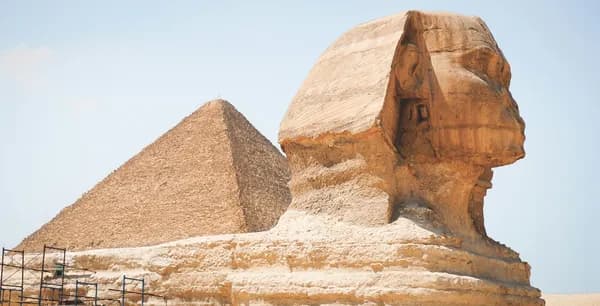
Head to a mythical country where every sunrise lights up a page of history. Egypt is a promise of grandiose contrasts, from the pyramids of Giza to the palm gardens of the Nile Valley, from lunar deserts to the spectacular reefs of the Red Sea. If you're leaving for Egypt, this guide helps you draw the perfect itinerary, avoid common pitfalls and enjoy a smooth mobile connection thanks to an eSIM designed for travelers.
The idea is to combine the "must-sees" with some clever detours. Cairo and its treasures, Luxor and Aswan for the magic of the Nile, an escape to Abu Simbel, then the Red Sea to settle down and swim with turtles. To this, we add some natural breaks – Siwa and the White Desert if you have the soul of an explorer – and the Mediterranean atmosphere of Alexandria if you like cafes by the water. We detail everything, including travel connectivity with GoMoWorld to stay on course stress-free.
The essentials of Cairo and Giza 🏛️
Hard to imagine a first trip without the Giza plateau. The pyramids of Khufu, Khafre and Menkaure, guarded by the Sphinx, are impressive at any hour, but dawn and late afternoon offer the most beautiful contrasts. Allow time for Saqqara (Djoser's Step Pyramid) and Dahshur (Red and Bent Pyramids), less crowded and just as striking. Half a day per site will allow you to breathe in the places well.
Back in the city, dive into old Cairo. The maze of Khan el-Khalili, with its craftsmen, historic cafes and omnipresent minarets, is also an intense scene of life. Heritage-wise, don't miss the Egyptian Museum in Tahrir Square, whose flagship collections remain an excellent entry point to ancient Egypt. Coptic Cairo (Hanging Church, Ben Ezra Synagogue) and Islamic Cairo (Ibn Tulun Mosque, Al-Azhar Mosque) complete the mosaic.
Heat and crowd tip: arrive at sites at opening time, take a real break between noon and 3 pm, then resume at sunset. Egypt is savored better in two stages than in a marathon.
Also take time to stroll along the Nile Corniche, book a dinner on a rooftop facing the river and try a felucca at sunset. The city may seem intense, but it's precisely this energy that makes it fascinating.
Luxor, capital of the pharaohs 🏛️
Luxor is an open-air museum. On the East Bank, the oversized Karnak temple and that of Luxor, majestic at night, draw a unique perspective of colonnades and obelisks. On the West Bank, the Theban necropolis unfolds its treasures: Valley of the Kings and their tombs painted in still vivid colors, Hatshepsut temple backed against the cliff, Valley of the Queens, Colossi of Memnon. Add a hot air balloon at sunrise to fly over the green ribbon of the Nile, it's a moment engraved for life.
Remember to check on site which tombs are open on the day of your visit and if "special" tickets are necessary (some flagship tombs require an additional ticket). A local guide can really enrich the reading of the scenes.
Luxor works very well in three full days if you like to take your time. As a bonus, let yourself be tempted by a felucca or a bike ride in the villages of the West Bank at sunset. The gold of the fields, the date palms, the canvases of canals... it's the sweetness of life on the Nile.
Aswan and Abu Simbel 🏛️
Further south, Aswan is the most relaxing city on the great Nilotic axis. Granite rocks, islands with golden dunes, the Philae temple set on water... A visit to Elephantine Island and the Nubian Museum illuminates the region's identity: bright colors, music, hospitality.
The great highlight from Aswan is the excursion to Abu Simbel. The colossi of Ramses II sculpted in the cliff, overlooking Lake Nasser, are one of the most photogenic spectacles in the country. You go very early, either by road convoy or by plane depending on schedules and budget. Once there, take your time to observe the details of the colossi and interior rooms, the alignment of light and the inscription of military campaigns.
For Abu Simbel, a departure before dawn maximizes your chance of arriving among the first. Bring water, snacks and external batteries: the road is long, and you spend a lot of time photographing.
In Aswan, also book a felucca ride at sunset, visit a Nubian village at the end of the day when the colors are softest, and finish with a waterside dinner. The atmosphere is unique.
Red Sea: beaches, reefs and great blue ✨
The Red Sea coast is a paradise for divers, snorkelers and those who simply enjoy lounging with their feet in the water. Hurghada and El Gouna are very accessible, with diving schools for all levels, day trips to white sand islets and light nightlife. Further south, Marsa Alam offers more tranquility and chances to spot turtles, dugongs and preserved reefs.
In Sinai, Sharm el-Sheikh and especially Dahab attract for their translucent waters, renowned dive clubs and a more bohemian spirit in Dahab. Sites like Ras Mohammed or the Blue Hole are among the planet's iconic spots. If you like kitesurfing or freediving, you're in the right place.
Prefer a "reef-safe" sunscreen, don't touch the coral and always follow the instructions of dive centers. The beauty of reefs depends on all of us.
The best time to enjoy the water without furnace heat on land is often between October-November and March-May, depending on the region. In midsummer, the sea is delicious, but the heat on land can be scorching.
Deserts and oases: Siwa, Bahariya, White Desert ✨
Want silence and absolutely starry skies? The Western oases are a breath of fresh air. Siwa, near the Libyan border, enchants with its sparkling salt lakes, palm groves, the Mountain of the Dead and the ruins of the Oracle of Amun. Amazigh culture imprints a singular identity there. Closer to Cairo, the depressions of Bahariya and Farafra open the way to the Black Desert and White Desert, where pristine chalk formations form an almost lunar landscape.
The ideal is to leave with a serious local agency for a two or three-day safari, sleep under the stars and awaken your senses to the pink light of dawn. Nights can be cool from November to March, bring a warm layer.
In the desert, think of complete sun protection, plenty of water, a scarf for sand wind and a waterproof bag for your equipment. Off network? No stress if your navigation and reservations are synchronized in advance.
Alexandria: the other Mediterranean face 🏛️
Alexandria charms with its influences, pastel facades, the corniche and old cafes where time slows down. The Bibliotheca Alexandrina impresses with its architecture and cultural program, Qaitbay Fort guards the port entrance, and the Catacombs of Kom el-Shoqafa tell the Greco-Roman strata of history. Add a tasting of freshly grilled fish, and you have an urban break very different from Cairo.
Alexandria is visited well in a day or overnight from Cairo, via regular and fast trains.
Culture, cuisine and etiquette 🎭
Egyptian cuisine is generous and comforting. Try koshari (mix of pasta, rice, lentils and tomato sauce), ful medames, ta'meya (Egyptian falafels), molokhia, grilled meats and fish from the Red Sea or Mediterranean. Sugarcane juice, mango and mint teas punctuate breaks.
Code-wise, modest dress is appreciated, especially in traditional neighborhoods and mosques. Tips (baksheesh) are part of service culture; always have small bills. Bargaining is common at the souk, keep smiling and a playful tone. During Ramadan, schedules adjust and evenings become very lively after breaking the fast.
Keep 5, 10 and 20 EGP bills for small services and tips. It's practical and avoids misunderstandings.
Getting around Egypt 🚌
Domestic flights greatly accelerate a Cairo–Luxor–Aswan–Hurghada itinerary. Trains are a pleasant alternative between Cairo, Alexandria and Luxor/Aswan, with air-conditioned cars. The sleeper train between Cairo and Luxor/Aswan is a relaxing option, to be booked in advance, especially in high season. On site, Uber and Careem work in Cairo and some major cities, and private drivers remain the most flexible solution in the Nile valley.
Desert and Sinai roads sometimes require permits/checks; local agencies know the current rules. Remember to keep good time margins before a flight or train.
Planning tip: check the final train and plane schedules the day before. In the city, ride-hailing apps simplify trips and avoid last-minute negotiation.
Internet in Egypt and GoMoWorld eSIM 🚀
Staying online without wasting time looking for a SIM card is the assurance of keeping track of tickets, transfers, translation and navigation. GoMoWorld offers a 100% digital data eSIM that works with a single eSIM for more than 200 destinations. You install it once, then you buy and activate the plans you need, wherever you are, without reinstalling.
Purchase is done either on the website or in the app. If you buy on the website, you just need to log into the application with the same email to install your eSIM. eSIM installation is done exclusively via the app, without QR code, and plan activation is manual: you decide when to start, with a simple click. As a bonus, purchased plans never expire as long as they are not activated, so you can build up a small reserve before leaving. All plans allow connection sharing (hotspot) if you want to connect your computer or share with your travel companions. The app also includes a handy VPN to secure your public Wi-Fi connections.
It's simple, useful and agile: you enjoy local partner mobile networks, and you recharge with one gesture from the app. And if you continue to another country, you don't have to reinstall anything.
GoMoWorld prices in Egypt 💳
For Egypt, the available plans are clear and economical. If you have a short stay, a 7-day plan may be enough; for a longer adventure on the Nile, aim for 30 days. Here are the current options:
- For a short trip, the 7-day plan includes 1.5GB for €3.99, ideal for messaging, maps and confirmations.
- Over 30 days, you have the choice between 7GB for €10.99, perfect for a ten-day to two-week trip, and 15GB for €19.99 if you work a bit on the road, download offline maps and send lots of photos.
Good to know: activate your plan only when you need it. You can prepare everything from home, travel with peace of mind, then launch the plan upon arrival at the airport. Unused data after plan expiration is not carried over, but no plan expires as long as it's not activated.
Budget, security and health 💰
Egypt offers excellent value for money, especially outside peak season. Accommodations range from simple and charming guesthouses to seaside hotels with private beach. Food-wise, you eat very well for a reasonable budget; let yourself be guided by local attendance. Plan for travel insurance including health, a basic kit (anti-diarrheal, bandages, hand sanitizer) and drink bottled water. The sun beats down hard: hat, sunglasses, sunscreen and hydration are essential.
Security-wise, main tourist areas are heavily monitored. As everywhere, keep an eye on your belongings in busy places, avoid going alone into neighborhoods you don't know at night, and follow local instructions for desert areas. Classic scams exist (taxis without meters, fake guides), but a smile, a ride-hailing app and some reflexes are enough to stay calm.
Avoid dynamic currency conversion (DCC) at payment: always choose to be debited in local currency for a better rate. And keep a "backup" bank card separate from your main wallet.
Smart itineraries 🗺️
Do you have 7, 10 or 14 days? Here are flexible frameworks to reconcile great classics and moments for yourself.
A well-paced week
In 7 days, favor Cairo and the Nile valley.
Day 1-2: Cairo, pyramids of Giza and Saqqara, old Cairo, Egyptian Museum.
Day 3: Flight or train to Luxor, walk at Luxor temple at sunset.
Day 4: Karnak in the morning, felucca, souks.
Day 5: West Bank, Valley of the Kings, Hatshepsut, Colossi of Memnon.
Day 6: Train or car to Aswan, Philae temple, Nile islands.
Day 7: Abu Simbel very early, return to Aswan or flight to Cairo.
Ten to twelve days to breathe
Add the Red Sea to finish smoothly.
Days 1-3: Cairo and Giza.
Days 4-6: Luxor, East and West Bank, hot air balloon if desired.
Day 7: Road or train to Aswan, Philae and Nubian village.
Day 8: Abu Simbel.
Days 9-11: Transfer to Hurghada or Marsa Alam, snorkeling/diving, rest.
Day 12: Return to Cairo and flight.
Two weeks and more
Integrate an oasis or Alexandria.
Days 1-3: Cairo.
Days 4-7: Luxor and Valley of the Kings.
Days 8-9: Aswan and Abu Simbel.
Days 10-12: White Desert and Bahariya in organized bivouac.
Days 13-14: Alexandria and return.
Multi-destination hassle-free: your GoMoWorld eSIM remains installed and valid in more than 200 countries. Chain several borders stress-free, your plans activate when YOU decide.
Extensions to other destinations 🌟
Egypt combines perfectly with its neighbors. After the Nile, you can head to Jordan to discover Petra and Wadi Rum, scale an Ottoman atmosphere and colorful bazaars in Turkey with a stop in Istanbul, or treat yourself to an islands and antiquities break in Greece. For a touch of Atlantic and desert, a hop to Morocco works very well too. And if you extend with a city trip to Italy, your once-installed eSIM continues to follow you without reinstallation.
Smart practical tips 💡
Booking in advance for sleeper trains, hot air balloons in Luxor and the Abu Simbel excursion is a good idea, especially between November and March and around holidays. On very busy sites, keep your pace and take breaks in the shade. On the road, favor morning transfers, as the heat weighs less and the light is softer for photo stops.
For money, distribute your payment methods, avoid keeping a lot of cash on you and politely decline unsolicited "services" if you don't need them. Photocopy or scan your important documents and keep copies on a secure cloud, accessible from your smartphone.
Daily connectivity: share your connection as a hotspot on multiple devices, activate the integrated VPN of the GoMoWorld app on public Wi-Fi and disable streaming on 4G/5G to preserve your gigs. Offline maps (Google Maps, Maps.me) help save data.
GoMoWorld in practice: how it works ✅
- Download the application on your eSIM-compatible phone to install and manage your eSIM. Installation is done only via the app, no QR code is needed.
- Buy your eSIM and data plans on the website or directly in the app; if you bought on the website, log into the app with the same email to find your purchases.
- Install your eSIM only once. It remains valid everywhere, in more than 200 destinations.
- Activate your plans manually when desired, from the app. Nothing starts automatically when changing countries.
- Recharge with one click when you want, without reinstalling an eSIM. And remember: a plan purchased but not activated does not expire.
The concrete advantage? Clarity, control and the freedom to improvise a detour at the end of the trip. And if you need a hand, Europe-based customer support answers you every day, with a simple tone and useful responses.
Conclusion ✈️
Egypt is an open book that cannot be read at once. You come for its pyramids and tombs with still vibrant colors, you return for a sunrise in Luxor, a mint tea in Aswan, a swim with the turtles of Marsa Alam and the golden silence of the desert. With flexible organization and reliable mobile connection, everything becomes simpler.
Keep in mind a few landmarks – start early, drink plenty of water, book key moments – and leave room for encounters. Your GoMoWorld eSIM installed once and for all, data plans to activate when you decide, a hotspot to share the connection and an integrated VPN to browse peacefully: it's peace of mind in your pocket, everywhere, all the time.
In Egypt as elsewhere, keep it simple: one eSIM, plans adapted to your pace, and the freedom to travel light. Safe travels!


Similar articles

Hear from our Happy Travelers
4.7
App Store

4.7
Google Play Store

March 5, 2026
Trustworthy and cheap
A trustworthy and economic way of being in contact with home when travelling


February 27, 2026
Excellent esim
Easy to use. Used in many countries and will continue to use gomoworld

February 26, 2026
Best eSIM prices
Excellent price and good network coverage. Used it for my trips to Turkey and Russia, I faced no issues at all. Recommend!

February 10, 2026
Great eSIM service
I use their esim and I have used them all over India, Colombia, Nicaragua and the US and have not had problems with connection, except high in the mountains where no one has it.

February 7, 2026
Works flawlessly from 1st second
Installing and activating is straightforward, testing the system with a free trial in Switzerland worked fine Connection throughout the Gambia was perfect Renewal after expiration was easy, cheap and quick.


January 25, 2026
Really good data plans withs reasonable prices
GoMoWorld offered the best value out of all the options I considered. The app experience was also superior to other services I’ve tried. There was no ID verification requirement. Payment and setup was super easy. It guides you step by step how to install the eSIM and tells you the recommended settings. I would recommend to anyone looking for lots of data with really competitive prices.

What is an eSIM?
We’ll Explain Everything.
A simple, digital solution for staying connected wherever you Go.

Say Goodbye to Physical SIM Cards
No need to handle a physical SIM card (or risk losing yours)—everything is digital with an eSIM.

Quick and Easy Activation.
Download your GoMoWorld eSIM from our app and get connected in minutes. All our plans start at just €3.99, with no subscriptions or hidden fees.

Perfect for Travelers
Keep your regular SIM active for calls and texts while using GoMoWorld for data. You can have both your primary SIM and eSIM active simultaneously, or two eSIMs.


from
€3.99

Still thinking about it?
Download the app and enjoy a risk-free Trial. Experience GoMoWorld travel eSIM now!
